Free Solar Panels Government Schemes In The UK
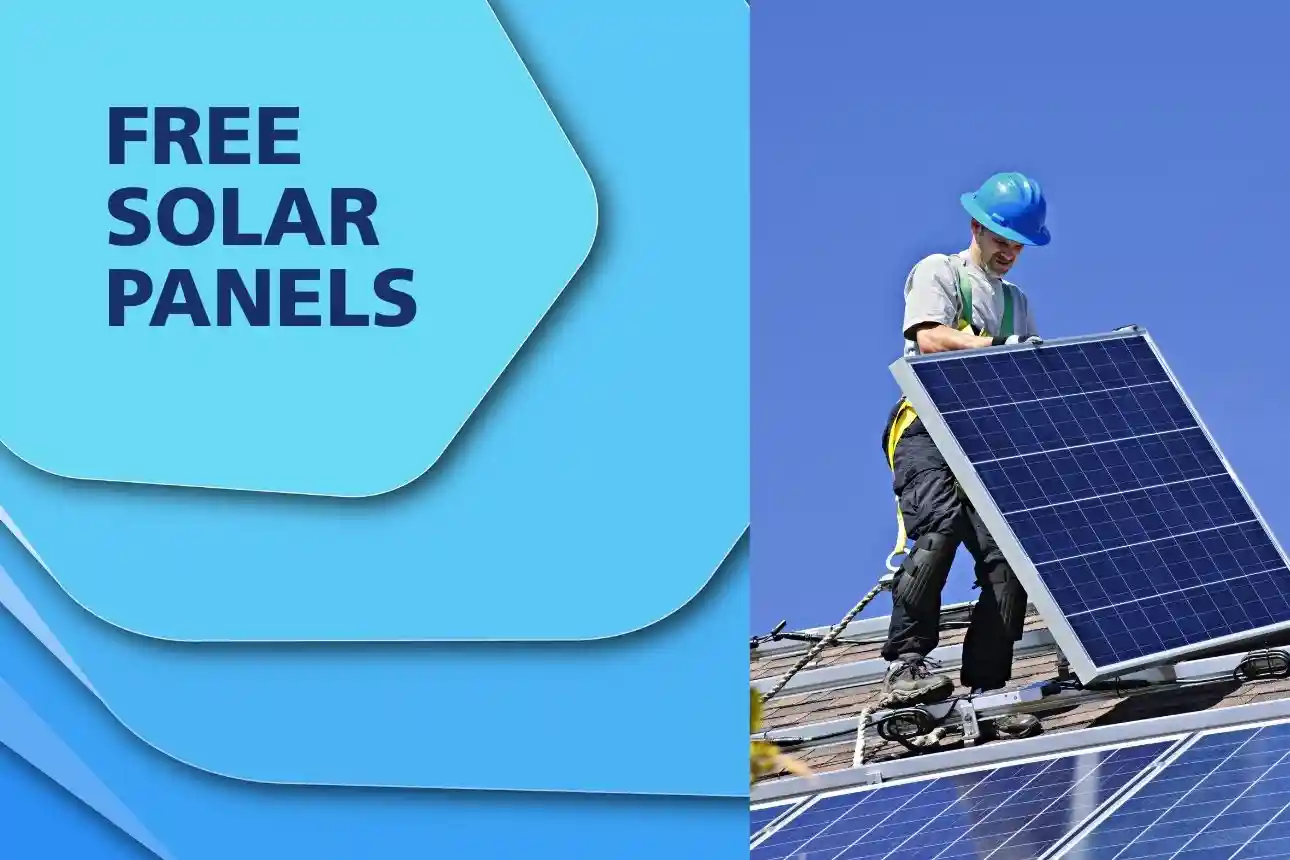
Over 450,000 UK households currently qualify for free solar panel installation worth £7,000 to £20,000 through government schemes running until March 2026. If your household earns under £31,000 annually or you receive certain benefits, you could cut electricity bills by £450 to £600 each year with no upfront payment required. Funding remains available but closes when budgets run out. This guide explains exactly who qualifies, which schemes provide funding, and how to apply successfully within weeks rather than months.
Understanding Free Solar Panel Schemes In The UK
Free solar panel programmes in the UK work through government funding directed to energy companies and local councils. These organisations deliver installations to eligible households at zero cost. The term “free” means no upfront payment and no repayment obligation for qualifying households.
Two main routes provide access. The Energy Company Obligation scheme known as ECO4 delivers installations through energy suppliers meeting government carbon reduction targets. The Warm Homes Local Grant launched in October 2024 provides council managed funding for energy efficiency upgrades including solar panels. Both programmes target households experiencing fuel poverty or living in energy inefficient properties.
The government invests billions through these schemes to reduce carbon emissions, lower energy bills, and support vulnerable households. Homeowners who qualify retain full system ownership and receive all financial benefits including electricity savings and export payments.
ECO4 Scheme For Free Solar Panels
The Energy Company Obligation 4 scheme represents the primary route to free solar panels for most UK households. Running from April 2022 through March 2026, ECO4 provides over £4 billion in funding distributed through major energy suppliers.
How ECO4 Works
Energy companies must meet carbon saving targets set by government. They achieve these targets by funding energy efficiency improvements in eligible homes. Solar panel installation counts toward these targets alongside insulation, heating upgrades, and ventilation improvements.
Suppliers contract with approved installers who carry out free surveys and installations. Households approved under ECO4 receive systems at zero cost with no repayment required. All equipment and labour gets covered. Homeowners keep full ownership and all financial benefits.
ECO4 Eligibility Requirements
ECO4 targets households on lower incomes or receiving specific benefits. You qualify if your household meets income thresholds or receives any of these benefits:
- Universal Credit
- Pension Credit
- Income Support
- Income Based Job Seekers Allowance
- Income Related Employment and Support Allowance
- Child Tax Credit
- Working Tax Credit
- Housing Benefit
- Pension Guarantee Credit
- Pension Savings Credit
Income thresholds apply when you do not receive benefits. Households earning under £31,000 annually qualify automatically. Families with children face different thresholds. Two adults with one child qualify at household income below £38,200. Two adults with three children qualify at income below £45,500.
Your property must also meet energy efficiency standards. Homes rated EPC D, E, F, or G become eligible. The property needs adequate roof space with south, east, or west orientation. Excessive shading from trees or buildings may disqualify applications.
LA Flex Within ECO4
Local Authority Flexibility allows councils to approve households that fall slightly outside standard ECO4 rules. LA Flex helps families experiencing fuel poverty but earning just above income thresholds. Councils assess circumstances individually including disability, health conditions, or high energy costs relative to income.
Contact your council to ask about LA Flex if you narrowly miss ECO4 income limits but struggle with energy bills.
Warm Homes Local Grant Programme
The Warm Homes Local Grant launched in October 2024 with £13.2 billion allocated through March 2026. This England focused scheme provides funding through local councils for comprehensive home energy upgrades.
Warm Homes Eligibility
Warm Homes sets a higher income threshold at £36,000 annual household earnings. This opens eligibility to more working families compared to ECO4. All benefits listed under ECO4 also qualify households for Warm Homes funding.
Properties must hold EPC ratings of D, E, F, or G. Owner occupiers receive priority but private renters may qualify with landlord permission. The scheme emphasises homes built before 2010 and properties with gas or oil heating systems.
What Warm Homes Covers
Warm Homes provides comprehensive packages rather than standalone solar installations. Typical packages combine solar panels with cavity wall insulation, loft insulation, and modern heating controls. This combined approach maximises energy efficiency and bill savings.
Grant amounts range from £7,000 to £20,000 per property depending on required improvements. Solar panels typically form part of larger upgrade packages worth £12,000 to £15,000. Households receiving combined upgrades see greater bill reductions than solar alone would provide.
How To Apply For Warm Homes
Applications go through local councils rather than directly to government. Each council manages its own application process and waiting list. Search your council name plus “Warm Homes Local Grant” to find the correct application portal.
Councils prioritise applications based on urgency, fuel poverty severity, and property condition. Expect assessment periods of four to eight weeks. Approved households typically receive installations within three to six months depending on contractor availability.
Comparing Government Solar Panel Schemes
Choose ECO4 if you receive qualifying benefits or earn under £31,000. Choose Warm Homes if you earn between £31,000 and £36,000 and live in England. Use LA Flex if you narrowly miss standard thresholds but face fuel poverty.
Who Qualifies For Free Solar Panels
Qualification depends on meeting income requirements, property standards, and ownership status. Most households qualify through one of three routes.
Benefits Based Qualification
Receiving any qualifying benefit provides automatic eligibility regardless of property value or savings. The government recognises benefit recipients as vulnerable to fuel poverty. Benefits cover income support, pension credits, universal credit, and disability related payments.
Present proof of benefit payments from the past three months when applying. Digital screenshots from your government gateway account work alongside paper statements.
Income Based Qualification
Households earning under income thresholds qualify without receiving benefits. Standard threshold sits at £31,000 for ECO4 and £36,000 for Warm Homes. Thresholds increase for households with dependent children.
Provide recent payslips, tax returns, or pension statements proving income levels. Self employed applicants need SA302 tax calculations from HMRC covering the most recent tax year.
Property Requirements
Your home must meet energy efficiency criteria. Properties rated EPC D or below become eligible. Obtain your current EPC certificate from the government EPC register online. Certificates remain valid for ten years.
Roof suitability determines approval after initial eligibility checks. South facing roofs generate maximum output but east and west facing installations still qualify. Roof condition must support panel mounting for 25 years minimum. Surveyors assess structural integrity, tile condition, and load bearing capacity during home visits.
Smart Export Guarantee And Export Income
Free solar panel schemes provide equipment at no cost while homeowners retain all financial benefits. The Smart Export Guarantee requires energy suppliers to pay households for electricity exported to the grid. This creates ongoing income alongside bill savings.
How Export Payments Work
Solar panels generate electricity during daylight hours. Households use generated power directly, reducing grid consumption. Excess generation flows to the grid when production exceeds household demand. Energy suppliers pay fixed rates per kilowatt hour exported.
Export rates vary by supplier. Standard SEG rates range from 4p to 8p per kWh. Higher rates reach 15p per kWh with specialist green energy suppliers. Typical 3.5 kW systems export 40 to 60 percent of generation depending on household consumption patterns.
Expected Export Earnings
A standard 3.5 kW system in southern England generates approximately 3,200 kWh annually. Households using 50 percent directly export 1,600 kWh. At 5p per kWh, this creates £80 annual export income. At 10p per kWh, export income reaches £160 annually.
Northern regions generate 10 to 15 percent less due to lower sunlight hours. A 3.5 kW system in Scotland generates approximately 2,800 kWh annually. Export income ranges from £70 to £140 depending on supplier rates and household consumption.
Combine export income with bill savings for total financial benefit. Most households save £450 to £600 on electricity bills while earning £80 to £160 from exports. Total annual benefit ranges from £530 to £760.
Expected Savings From Free Solar Panels
Solar panel systems reduce electricity bills by generating power during daylight. Savings depend on system size, household consumption, and electricity tariff rates.
Savings By System Size
Standard installations through government schemes range from 3 kW to 4 kW for typical homes. Larger properties with higher energy use may receive 5 kW systems when roof space permits.
A 3 kW system generates approximately 2,700 kWh annually in central England. Households consuming 3,500 kWh per year reduce grid purchases by 1,350 kWh when using 50 percent of generation directly. At 24p per kWh, this saves £324 annually on bills.
A 4 kW system generates approximately 3,600 kWh annually. Direct consumption of 1,800 kWh saves £432 at 24p per kWh. Combined with export income of £90 to £180, total annual benefit reaches £522 to £612.
Larger 5 kW systems generate 4,500 kWh annually. Households using 2,250 kWh directly save £540 on bills. Export income adds £112 to £225. Total benefit reaches £652 to £765 annually.
Regional Variations
Solar generation varies by location due to sunlight differences. Southern England receives highest solar irradiance. Northern Scotland receives approximately 15 percent less annual generation.
A 3.5 kW system generates these approximate annual outputs by region:
- South England: 3,200 kWh
- Midlands: 3,000 kWh
- North England: 2,850 kWh
- Wales: 2,900 kWh
- Southern Scotland: 2,700 kWh
- Northern Scotland: 2,550 kWh
Adjust savings expectations based on regional generation levels. Southern households typically save £50 to £100 more annually than northern households with identical systems and consumption patterns.
Application Process For Free Solar Panel Schemes
Applications follow structured stages from initial inquiry through installation completion. Understanding each stage helps households prepare properly and avoid delays.
Step One: Eligibility Check
Start by confirming you meet basic requirements. Check your household income against thresholds. Verify you receive qualifying benefits if relying on benefits based eligibility. Download your EPC certificate from the government register to confirm your property rating.
Contact approved providers through energy supplier schemes for ECO4 or through your local council for Warm Homes. Avoid responding to cold calls or unsolicited offers. Legitimate schemes never request upfront fees for eligibility checks.
Step Two: Initial Application
Complete the initial application form provided by your chosen scheme. Supply proof of income through payslips or benefit statements. Provide property ownership evidence through council tax bills or title deeds. Include your EPC certificate showing D, E, F, or G rating.
Applications typically process within two to four weeks. Approved households move to survey stage. Rejected applications receive written explanation with appeal rights where applicable.
Step Three: Technical Survey
Approved households receive home survey appointments within four to eight weeks of application approval. Surveyors attend for 30 to 60 minutes assessing roof condition, orientation, shading, electrical system capacity, and installation access.
Surveyors measure roof dimensions, check structural integrity, and photograph installation areas. They verify electrical consumer unit meets current standards and provides adequate capacity for solar connection. Properties requiring electrical upgrades receive recommendations for corrective work.
Step Four: Installation Approval
Survey reports determine final approval. Properties passing technical checks receive installation dates within four to twelve weeks. Installation scheduling depends on contractor availability and seasonal demand. Spring and summer periods face longer waiting times due to optimal installation weather.
Approved installations include full system specification detailing panel quantity, inverter type, and expected generation. Review specifications carefully and raise questions before installation dates.
Step Five: Installation
Installation takes two to three days for standard domestic systems. Day one involves scaffolding erection and roof preparation. Day two covers panel mounting, electrical connections, and inverter installation. Day three includes final connections, system testing, and commissioning.
Installers provide operation manuals, warranty documentation, and generation monitoring access. They register installations with distribution network operators and microgeneration certification scheme databases. This registration ensures export payment eligibility.
Step Six: Activation And Monitoring
Systems become operational immediately after installation sign off. Export payment arrangements activate within four weeks as suppliers register meter connections. Households track generation through inverter displays or smartphone apps.
Monitor output during initial weeks to establish normal generation patterns. Report performance concerns to installers within warranty periods. Most systems include 10 year inverter warranties and 25 year panel performance guarantees.
Required Documentation Checklist
Gather these documents before starting applications to speed up processing:
- Proof of income: Three months of payslips, pension statements, or tax returns
- Benefit evidence: Current benefit award letters or digital screenshots
- EPC certificate: Downloaded from government EPC register
- Property ownership: Council tax bill, mortgage statement, or title deeds
- Photo identification: Passport or driving licence
- Proof of residence: Recent utility bill showing current address
Self employed applicants need additional documentation including SA302 tax calculations and business bank statements covering six months.
Homeownership Status And Solar Panels
Ownership type affects eligibility and approval processes. Different rules apply to owner occupiers, private renters, and social housing tenants.
Owner Occupiers
Owner occupiers receive priority across all schemes. Ownership provides decision making authority and long term benefit from installations. Homes with mortgages require lender permission for installations. Most lenders approve solar installations without issue as they improve property value.
Contact your mortgage provider before applying. Request written confirmation that solar installations receive approval. Submit this confirmation with scheme applications.
Private Renters
Private renters qualify for schemes but face additional requirements. Landlord written permission becomes mandatory before applications proceed. Landlords benefit from improved EPC ratings but may resist installations due to perceived disruption or property alteration concerns.
Present landlords with information about scheme benefits including improved energy efficiency ratings and increased property value. Emphasise installations include no cost to landlords and improve tenant satisfaction.
Social Housing Tenants
Social housing providers sometimes arrange installations directly with tenants. Housing associations and councils manage these programmes separately from individual tenant applications. Contact your housing provider to ask about planned solar programmes.
Tenants in social housing with schemes installed benefit through reduced electricity bills. The housing provider retains ownership and maintenance responsibility.
Regional Scheme Differences Across The UK
Government schemes operate differently across England, Wales, Scotland, and Northern Ireland. Understanding regional variations helps target the right programmes.
England
England offers widest access through both ECO4 and Warm Homes Local Grant schemes. Most funding flows to England due to larger population and housing stock. Councils across England participate actively in Warm Homes delivery.
Southern regions face longer waiting times due to higher application volumes and optimal solar conditions. Northern England sees faster processing but slightly lower generation outputs.
Wales
Wales operates ECO4 but does not participate in Warm Homes Local Grant. Welsh government provides separate funding through schemes emphasising fuel poverty reduction. Solar installations combine with other efficiency measures in Welsh programmes.
Rural Welsh properties receive particular attention due to high energy costs and limited gas grid access. Off grid homes burning oil or LPG for heating gain priority.
Scotland
Scottish schemes blend ECO4 with devolved government initiatives. Home Energy Scotland manages national programmes alongside local council schemes. Interest free loans feature more prominently than full grants for households above benefit thresholds.
Scottish schemes emphasise combined measures pairing solar with insulation improvements. Single measure solar installations occur less frequently than in England.
Northern Ireland
Northern Ireland operates separate schemes from Great Britain. No direct equivalent to ECO4 exists. Grants appear through periodic pilot programmes rather than continuous national schemes.
Northern Irish households should monitor Department for Communities announcements about energy efficiency grants. Schemes open and close based on budget availability rather than running on fixed multi year timelines.
Roof Suitability And Technical Requirements
Not all properties suit solar panel installations. Technical factors determine approval beyond income and energy efficiency eligibility.
Optimal Roof Characteristics
South facing roofs generate maximum output receiving direct sunlight throughout the day. East and west facing roofs produce 15 to 20 percent less but still qualify for schemes. North facing roofs rarely receive approval due to poor generation potential.
Roof pitch between 30 and 45 degrees provides optimal panel angle. Flat roofs require mounting frames creating correct angles. Pitched roofs outside optimal angles still qualify but may need additional mounting equipment.
Roof area requirements depend on system size. A 3 kW system needs approximately 15 square metres of unshaded roof space. A 4 kW system requires 20 square metres. Calculate available space by measuring roof sections suitable for panels.
Shading Assessment
Surveyors assess shading impact during technical visits. Trees, chimneys, neighbouring buildings, and roof features create shadows reducing output. Minor shading affecting less than 10 percent of roof area typically receives approval. Significant shading covering more than 25 percent of proposed installation area often leads to rejection.
Consider tree trimming or removal if shading comes from your own property vegetation. Neighbours’ trees require discussion and potential agreements before installation proceeds.
Roof Condition Standards
Roofs must remain structurally sound for 25 years minimum. Tiles or slates showing significant deterioration require replacement before panel installation. Felt or membrane roofs on flat installations need recent replacement within past 10 years.
Roof timber frames must support additional panel weight without reinforcement. Standard panels weigh approximately 18 kilograms each. A 12 panel system adds 216 kilograms distributed across roof area. Most modern roof structures support this weight without concern.
Properties with roof issues receive recommendations for repairs before solar approval. Complete repairs then reapply through schemes.
Installer Requirements And Certifications
Approved installers carry specific certifications protecting consumers and ensuring quality. Government schemes mandate certified installers for all funded work.
MCS Certification
The Microgeneration Certification Scheme provides industry standard installer approval. MCS certified installers meet technical competency standards and follow consumer protection codes. All ECO4 and Warm Homes installations require MCS certification.
Verify installer MCS status on the official MCS website before accepting any installation. Request installer MCS certificate numbers and check active status.
TrustMark Registration
TrustMark provides government endorsed quality standards for tradespeople. Installers should hold TrustMark registration alongside MCS certification. This dual certification demonstrates comprehensive quality commitment.
RECC Membership
The Renewable Energy Consumer Code sets customer service standards for renewable energy companies. RECC members commit to transparent pricing, clear contracts, and independent dispute resolution. Prefer installers holding RECC membership when choices exist.
Avoid installers lacking these certifications regardless of offered pricing or promises. Uncertified installations invalidate warranties, prevent export payment eligibility, and provide no consumer protection.
Battery Storage And Solar Panels
Battery storage systems store excess solar generation for use after dark. Most government schemes fund panels without batteries due to higher costs. Households interested in storage typically fund batteries separately.
Battery Benefits
Batteries increase self consumption rates from 50 percent to 70 or 80 percent. This reduces grid electricity purchases further while decreasing export volumes. Higher self consumption improves savings in regions with low export rates.
Batteries provide backup power during grid outages. Properties in areas with occasional power cuts benefit from continued electricity supply during outages.
Battery Costs
Battery systems add £3,000 to £6,000 to installation costs depending on capacity. Popular battery sizes range from 5 kWh to 10 kWh storage. Batteries qualify for zero percent VAT through March 2027 reducing costs by 20 percent.
Households receiving free solar panels but wanting storage should inquire about discounted battery additions. Some installers offer reduced battery pricing when installing alongside scheme funded panels.
System Maintenance And Longevity
Solar panels require minimal maintenance while delivering 25 to 30 years of generation. Understanding maintenance needs protects long term performance.
Panel Cleaning
Rain naturally cleans panels in most UK locations. Dust, pollen, and debris wash away during regular rainfall. Manual cleaning becomes necessary only in unusually dry periods or near construction sites generating excessive dust.
Clean panels using water and soft cloths if generation drops noticeably. Avoid abrasive materials scratching panel surfaces. Consider professional cleaning services for difficult to reach installations.
Inverter Replacement
Inverters convert direct current from panels to alternating current for household use. Inverter lifespan ranges from 10 to 15 years compared to 25 plus years for panels. Budget £800 to £1,200 for inverter replacement during system lifetime.
Monitor inverter displays for error messages indicating problems. Address inverter faults quickly to avoid generation losses.
Performance Monitoring
Track generation through inverter apps or online portals. Establish normal generation patterns during initial months. Investigate drops of 15 percent or more compared to similar conditions.
Panel degradation occurs gradually at approximately 0.5 percent annually. Expect 90 percent of original capacity after 20 years. Sudden drops indicate faults requiring attention.
Avoiding Scams And Fraudulent Offers
Growing demand for solar panels attracts fraudulent operators making false promises. Recognising red flags protects households from scams.
Common Scam Tactics
Beware of cold callers claiming government sent them to offer free solar panels. Legitimate schemes never initiate contact through cold calls. Households must apply directly through official channels.
Avoid companies requesting upfront payments for surveys or applications. Government schemes include no upfront costs for legitimate applicants. Payment requests before installation completion indicate fraud.
Reject pressure tactics claiming limited time offers or immediate approval required. Authentic schemes follow structured assessment processes taking weeks rather than demanding instant decisions.
Verifying Legitimate Installers
Check installer credentials before sharing personal information. Verify MCS certification, TrustMark registration, and company registration with Companies House. Search online reviews and check complaint records with consumer protection organisations.
Request written quotes detailing equipment specifications, installation timeline, and warranty terms. Compare quotes from multiple certified installers when possible.
Reporting Suspicious Activity
Report suspected scams to Action Fraud through their website or phone line. Notify your local trading standards office about companies using high pressure tactics or making false claims.
Share experiences on consumer review websites helping others avoid similar situations. Consumer protection relies on public reporting of fraudulent activity.
Planning Permission And Legal Considerations
Most domestic solar installations proceed under permitted development rights requiring no planning permission. Exceptions apply in specific situations requiring approval.
Standard Permitted Development
Installations on houses within permitted development rules need no planning application. Panels mounted on roofs or within property boundaries qualify automatically provided they meet size and position limits.
Panels must not project more than 200 millimetres beyond roof surface. Roof mounted installations should not extend beyond roof edges. Ground mounted installations must stay within property boundaries.
Exceptions Requiring Permission
Listed buildings require planning consent for solar panels due to heritage protection. Conservation areas face restrictions on visible roof installations. Properties within national parks or areas of outstanding natural beauty need approval for solar installations.
Flats and apartment buildings require permission from freeholders or building management. Shared roofs need agreements from all affected leaseholders.
Building Regulations
Solar panel installations trigger building regulation compliance regarding electrical work and structural modifications. MCS certified installers handle building regulation compliance as part of standard installations.
Installers issue building regulation completion certificates after finishing installations. Retain these certificates for property sale records.
Impact On Property Value And EPC Ratings
Solar panels typically improve property values and always enhance EPC ratings. Understanding these impacts helps assess long term benefits.
EPC Rating Improvements
Solar installations improve EPC ratings by one or two bands depending on starting rating and system size. Properties rated EPC F often reach EPC D after installing 3.5 kW systems. EPC E properties typically achieve EPC C ratings.
Higher EPC ratings provide multiple benefits. They improve property marketability, reduce energy costs, and ensure compliance with minimum rental standards. Landlords particularly benefit from EPC improvements meeting rental property requirements.
Property Value Effects
Research indicates solar panels add 2 to 5 percent to property values in most markets. A £200,000 property may increase to £204,000 or £210,000 with solar installation. Value increases vary by location with environmental conscious areas seeing larger effects.
Buyers increasingly prioritise energy efficiency when choosing properties. Solar panels demonstrate environmental commitment while promising lower running costs. These factors improve sale prospects during property marketing.
Mortgage And Insurance Implications
Notify mortgage lenders about solar installations though most require no special approval. Panels improve property security for lenders by enhancing value and efficiency.
Inform home insurance providers about installations. Premium increases typically range from £10 to £30 annually covering additional equipment value. Buildings insurance covers panels as permanent fixtures while contents insurance covers inverters if separately listed.
Timeline Expectations From Application To Activation
Understanding realistic timelines helps households plan appropriately and avoid frustration with processing speeds.
Application Processing: Two To Four Weeks
Initial applications undergo eligibility verification checking income, benefits, and property ratings. Processing times vary by application volume and scheme administrator capacity. Spring applications often process faster than autumn applications when volumes peak before winter.
Survey Scheduling: Four To Eight Weeks
Approved applications enter survey queues. Surveyors schedule home visits based on geographic routes and contractor availability. Urban areas with multiple daily appointments schedule faster than rural properties requiring individual trips.
Installation Approval: One To Two Weeks
Survey reports require technical review before final installation approval. Reviews confirm installation feasibility and specification accuracy. Straightforward installations approve within one week. Complex installations requiring additional work may take two weeks for approval decisions.
Installation Scheduling: Four To Twelve Weeks
Installation dates depend on contractor capacity and seasonal demand. Spring and summer installations face longer waits due to optimal working conditions. Winter installations often schedule faster but face weather related delays.
System Activation: Immediate To Four Weeks
Solar systems generate electricity immediately after installation completion. Export payment arrangements take two to four weeks while suppliers register meter connections and tariff details. Bill savings begin immediately while export income starts after registration completes.
Total timeline from application to full activation typically ranges from three to six months. Patience during processes improves outcomes compared to rushing or pushing installers.
Combining Solar With Other Energy Upgrades
Solar panels deliver strongest results when paired with complementary efficiency measures. Government schemes encourage combined approaches maximising bill reduction.
Insulation Priority
Insulation reduces heating requirements before solar addresses electricity use. Well insulated homes waste less heat requiring smaller heating systems and lower energy input. This makes solar generation more effective at meeting total household energy needs.
Loft insulation provides quickest returns preventing heat loss through roofs. Cavity wall insulation stops heat escaping through external walls. Floor insulation reduces heat loss through ground floors in older properties.
Many schemes require insulation improvements before approving solar installations. This ensures maximum benefit from combined measures.
Heating System Upgrades
Modern heating controls work alongside solar panels managing energy use efficiently. Programmable thermostats and smart heating systems match heating schedules to solar generation periods where possible.
Heat pumps pair particularly well with solar panels. Solar generation offsets electricity consumption for heat pump operation during daylight. This combination dramatically reduces heating costs compared to gas or oil systems.
Appliance Efficiency
Efficient appliances reduce electricity demand allowing solar generation to meet higher proportions of household needs. LED lighting, A rated appliances, and energy saving electronics maximise solar self consumption.
Replace old appliances when possible choosing highest efficiency ratings. Savings from efficient appliances combine with solar generation creating substantial total bill reductions.
Frequently Asked Questions
How Long Does ECO4 Application Take?
ECO4 applications typically process within three to four weeks from submission to initial decision. Home surveys add four to eight weeks. Installation scheduling requires four to twelve weeks after survey approval. Total timeline averages three to six months from application through system activation.
Do I Need Good Credit For Free Solar Panels?
Government schemes do not perform credit checks for fully funded installations. Schemes assess eligibility based on income and benefits rather than credit history. Households with poor credit scores qualify equally provided they meet income and property requirements.
What If My Roof Faces East Or West?
East and west facing roofs qualify for government schemes though they generate 15 to 20 percent less electricity than south facing installations. Most schemes approve east and west facing roofs provided they meet minimum generation thresholds. North facing roofs rarely receive approval due to poor output.
Can I Switch Energy Suppliers After Installation?
Switching suppliers after installation remains possible and often advisable. Compare export rates across suppliers to maximise export income. Switching processes work identically to pre solar changes. Notify new suppliers about solar installation and existing export arrangements during switching.
What Happens To Panels If I Move House?
Solar panels stay with properties during house sales. New owners inherit installations along with all equipment warranties and export arrangements. Include solar systems in property sale marketing highlighting bill savings and environmental benefits. Most buyers view solar panels as valuable features increasing property appeal.
How Often Should I Clean Solar Panels?
UK rainfall cleans panels adequately in most situations. Manual cleaning becomes necessary only during extended dry periods or near construction sites creating excessive dust. Clean panels once or twice annually using water and soft cloths. Avoid abrasive materials and harsh chemicals damaging panel surfaces.
Do Panels Work During Power Cuts?
Standard solar installations shut down during power cuts for safety reasons. This prevents electricity feeding back into grid systems while engineers work on repairs. Battery storage systems with backup capability maintain household power during outages. Households requiring backup power should install battery storage alongside solar panels.
What Size System Will I Receive?
System sizes depend on roof space and household electricity consumption. Standard schemes install 3 kW to 4 kW systems on typical homes. Larger properties with high consumption and adequate roof space may receive 5 kW systems. Surveyors determine appropriate system sizes during technical assessments.
Taking Action On Free Solar Panel Schemes
Government schemes provide genuine opportunities for eligible households to install solar panels at zero cost. Funding remains available but closes when budgets exhaust. Taking prompt action improves approval chances and reduces waiting times.
Start by confirming eligibility through income checks and EPC verification. Gather required documentation including proof of income, benefit statements, and property ownership evidence. Apply through official channels only avoiding cold callers and unsolicited offers.
Choose applications through ECO4 if you receive qualifying benefits or earn under £31,000 annually. Consider Warm Homes Local Grant if your income sits between £31,000 and £36,000 and you live in England. Contact your local council about LA Flex if you narrowly miss standard thresholds but face fuel poverty.
Prepare for structured processes taking several months from application through installation. Patience during assessments produces better outcomes than rushing decisions. Verify installer certifications before accepting any work. Monitor installations during warranty periods protecting long term performance.
Solar panels provide decades of electricity generation reducing bills while earning export income. Combined with insulation and efficient appliances, solar installations create comprehensive energy solutions supporting household budgets and environmental goals. Government schemes make these benefits accessible to households who otherwise face barriers to solar adoption.
Take the first step today by checking your EPC rating and gathering income documentation. Submit applications during open funding windows to secure installations before scheme deadlines arrive in March 2026.